Is the China Laos Railway Reshaping Trade Routes, Tourism Growth, and Regional Development Across Southeast Asia?
The China Laos railway has rapidly become one of the most influential infrastructure developments in Southeast Asia, transforming how goods, people, and economic opportunities move between China and Laos. As a modern cross-border railway system linking Kunming in Yunnan Province to Vientiane, the capital of Laos, this project is widely recognized as a key component of regional connectivity and international trade expansion. The China Laos railway project is not only improving transportation efficiency but also reshaping economic relationships across borders through faster logistics, reduced costs, and enhanced accessibility.
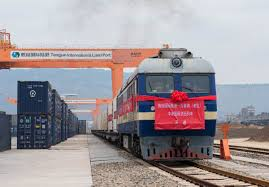
Over recent years, the railway has gained global attention for its role in supporting trade corridors, strengthening tourism networks, and contributing to long-term regional integration. It is often discussed alongside major infrastructure initiatives such as the Belt and Road Initiative, highlighting its importance in connecting Southeast Asia with global markets.
China Laos Railway Route Development and Infrastructure Expansion
The development of the China Laos railway route represents a remarkable engineering achievement that passes through challenging geographical terrain, including mountains, valleys, and river systems. The railway spans over a thousand kilometers, creating a direct transportation corridor between China and Laos that significantly reduces travel time compared to traditional road transport.
This modern railway system includes high-speed passenger services and efficient freight transport capabilities, making it suitable for both commercial and tourism purposes. The infrastructure development involved extensive tunnel construction, bridge engineering, and advanced rail technology designed to ensure safety, reliability, and long-term operational efficiency.
The Kunming to Vientiane railway connection has become a vital link in regional transport planning. It strengthens economic ties between southwestern China and mainland Southeast Asia while supporting Laos in becoming a land-linked country rather than a landlocked one. This transformation plays a crucial role in improving Laos’ access to international trade networks and global markets.
The railway is also considered part of broader regional transport integration strategies that aim to connect multiple Southeast Asian countries through unified rail systems. This long-term vision positions the China Laos railway as a foundation for future international railway corridors that may extend further into Thailand, Malaysia, and Singapore.
Economic Growth and Trade Expansion Through China Laos Railway
The economic impact of China Laos railway has been significant for both countries, particularly in the areas of trade expansion, logistics efficiency, and investment growth. One of the most noticeable changes has been the reduction in transportation costs for goods moving between China and Laos. Businesses now benefit from faster delivery times, improved supply chain reliability, and reduced logistical barriers.
Agricultural exports from Laos have seen strong growth due to improved access to Chinese markets. Products such as fruits, vegetables, and raw materials can now be transported more efficiently, maintaining freshness and increasing export value. At the same time, manufactured goods from China reach Lao markets faster, supporting local businesses and consumer demand.
The railway has also stimulated the development of cross-border trade corridors and industrial zones along its route. New logistics hubs, warehouses, and commercial centers have emerged, attracting both domestic and foreign investment. These developments contribute to economic diversification and help strengthen the industrial base of regions connected by the railway.
Foreign direct investment has increased in areas surrounding major railway stations. Investors are drawn to improved infrastructure, reduced transportation costs, and expanding market access. This has led to the growth of manufacturing industries, retail markets, and service sectors, further boosting economic activity in both urban and rural regions.
Employment opportunities have also expanded due to railway construction, operations, maintenance, and related services. Local communities benefit from job creation in transportation, hospitality, tourism, and trade sectors, contributing to improved living standards and regional economic stability.
Tourism Development and Cultural Connectivity Along Railway Network
The China Laos railway tourism development has played an important role in promoting cultural exchange and international travel between the two countries. With faster and more comfortable passenger services, tourists can now travel easily between major destinations in China and Laos, encouraging greater tourism flow across borders.
Laos has become more accessible to international travelers seeking cultural experiences, natural landscapes, and historical attractions. The railway has significantly reduced travel barriers, allowing visitors to explore destinations that were previously difficult to reach. Cities along the railway corridor have seen increased tourism-related activity, including hospitality services, guided tours, and local cultural events.
The growth of tourism has also strengthened small and medium-sized businesses in the hospitality sector. Hotels, guesthouses, restaurants, and travel agencies have benefited from rising visitor numbers. This growth supports local economies and encourages sustainable tourism development in both urban centers and rural communities.
Cultural exchange is another important outcome of the railway’s expansion. Increased movement of people between China and Laos promotes better understanding, cooperation, and shared experiences. This contributes to stronger diplomatic relations and enhances regional unity in Southeast Asia.
The Kunming Vientiane rail tourism route is increasingly recognized as a popular travel corridor, attracting both leisure and business travelers. It provides a unique opportunity to experience diverse cultural landscapes while traveling through scenic environments and historic regions.
Regional Integration and Future Connectivity Prospects
The long-term significance of the China Laos railway regional integration extends beyond bilateral trade and tourism. It is widely seen as a strategic transportation link that could support broader connectivity across Southeast Asia. As neighboring countries continue to develop their rail infrastructure, the China Laos railway may become part of an interconnected regional rail network.
This future expansion could enable seamless transportation between multiple countries, enhancing trade efficiency and reducing dependency on road and air transport. Such integration would strengthen supply chain systems and promote economic cooperation across the ASEAN region.
Technological advancements in rail transport are expected to further improve efficiency and sustainability. Modern railway systems are increasingly designed to reduce environmental impact, offering lower carbon emissions compared to road freight transport. This aligns with global sustainability goals and supports environmentally responsible development.
The railway also plays a strategic role in enhancing geopolitical cooperation and regional stability. By improving economic interdependence and connectivity, it encourages collaboration between countries and strengthens long-term partnerships.
As infrastructure development continues, the China Laos railway is expected to become a central pillar in Southeast Asia’s transportation future. Its influence on trade, tourism, and regional development will likely expand as more industries and countries integrate into the rail network.
Conclusion Title What Is the Long Term Impact of the China Laos Railway on Regional Development and Global Trade?
The China Laos railway has emerged as a transformative infrastructure project that is reshaping economic and transportation systems across Southeast Asia. By connecting Kunming and Vientiane through a modern rail corridor, it has significantly improved trade efficiency, boosted tourism, encouraged investment, and strengthened regional cooperation.
Its impact extends beyond transportation, influencing economic growth, cultural exchange, and international connectivity. As trade volumes increase and regional integration deepens, the railway will continue to play a vital role in supporting sustainable development and strengthening economic ties between nations.


Comments
Post a Comment