Chongqing-Xinjiang-Europe Railway and Eurasian Trade Growth: Is This International Rail Corridor Shaping the Future of Global Logistics?
The Chongqing-Xinjiang-Europe Railway has become one of the most influential transportation corridors connecting Asia and Europe. In an era where global trade depends heavily on efficient logistics networks, this railway route has emerged as a strategic solution for businesses seeking faster and more reliable freight transportation. Stretching from Chongqing in southwestern China through the Xinjiang region and onward to major European destinations, the railway serves as a crucial link between manufacturing centers and consumer markets.
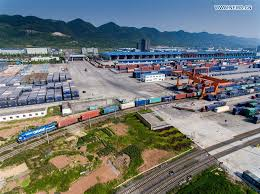
Over the past decade, international trade has experienced significant transformation due to the expansion of cross-border transportation infrastructure. The Chongqing-Xinjiang-Europe Railway has played a central role in this development by offering an alternative to traditional maritime shipping and expensive air freight services. As global supply chains become increasingly interconnected, the railway continues to attract attention from manufacturers, exporters, logistics providers, and policymakers seeking efficient trade routes across Eurasia.
The growing importance of rail freight transportation has positioned the Chongqing-Xinjiang-Europe Railway as a key component of modern international commerce. Its ability to shorten transit times while maintaining cost efficiency makes it an attractive option for businesses operating in competitive global markets.
Strategic Position in Eurasian Transportation Networks
The Chongqing-Xinjiang-Europe Railway serves as a vital bridge between China and Europe, connecting multiple countries through an extensive rail network. The route passes through the Xinjiang region before crossing Central Asia and extending into Europe through major logistics hubs. This transcontinental railway corridor enables the efficient movement of goods across thousands of kilometers, creating new opportunities for international trade and economic cooperation.
One of the major advantages of the railway is its strategic location within Eurasian transportation networks. As trade volumes between China and Europe continue to grow, businesses require dependable shipping solutions that balance speed and cost. The Chongqing-Xinjiang-Europe Railway fulfills this demand by providing transit times that are significantly shorter than ocean freight while remaining more economical than air transportation.
The railway supports the transportation of a wide variety of products, including electronics, machinery, automotive components, industrial equipment, consumer goods, and technology products. Companies involved in international manufacturing and distribution benefit from improved logistics efficiency and enhanced supply chain flexibility. Faster delivery schedules allow businesses to respond more effectively to market demands while reducing inventory holding costs.
In addition to commercial benefits, the railway contributes to stronger regional connectivity. By linking major economic centers across Eurasia, it promotes trade cooperation and facilitates the exchange of goods, services, and investment opportunities among participating countries.
Economic Impact and International Trade Development
The economic significance of the Chongqing-Xinjiang-Europe Railway extends well beyond freight transportation. The corridor has become a catalyst for regional development, encouraging investment in infrastructure, logistics facilities, and industrial zones. Cities located along the railway route have experienced increased economic activity as businesses take advantage of improved access to international markets.
Chongqing has strengthened its position as a leading manufacturing and logistics center due to its connection with European destinations through the railway network. Local industries benefit from direct access to global markets, enabling exporters to reach customers more efficiently and competitively. This enhanced connectivity has attracted both domestic and international investment, contributing to economic growth and industrial expansion.
The Xinjiang region plays a particularly important role as a gateway connecting China with Central Asia and Europe. Investments in transportation infrastructure, freight terminals, and customs facilities have transformed the region into a critical hub within the Eurasian logistics network. These developments support trade growth while creating employment opportunities and stimulating regional economic development.
The railway also supports broader international trade initiatives aimed at strengthening cross-border cooperation. By facilitating smoother transportation and reducing logistical barriers, the corridor encourages economic integration among countries across the Eurasian continent. Increased trade activity generates benefits for manufacturers, exporters, logistics providers, and consumers alike.
As global trade continues to evolve, transportation corridors such as the Chongqing-Xinjiang-Europe Railway become increasingly important for maintaining efficient supply chains and supporting sustainable economic growth.
Logistics Innovation and Future Expansion
The success of the Chongqing-Xinjiang-Europe Railway is closely linked to ongoing improvements in logistics technology and transportation infrastructure. Modern freight operations rely on advanced digital systems that enhance shipment visibility, improve operational efficiency, and streamline customs procedures. These innovations have helped increase the reliability and attractiveness of rail freight services.
Real-time cargo tracking systems enable businesses to monitor shipments throughout the transportation process. Enhanced data management and automated logistics solutions provide greater transparency, allowing companies to optimize inventory planning and improve customer service. These technological advancements contribute to a more efficient and predictable supply chain environment.
Environmental sustainability is another factor driving interest in railway transportation. Compared with air freight, rail transport generally produces lower carbon emissions while maintaining relatively fast transit times. As companies place greater emphasis on sustainable logistics practices, the Chongqing-Xinjiang-Europe Railway offers an environmentally responsible alternative for international freight movement.
Future expansion projects are expected to further strengthen the railway's role within global trade networks. Continued investment in rail infrastructure, freight terminals, customs modernization, and cross-border cooperation will enhance capacity and operational efficiency. These improvements are likely to support growing demand for Eurasian rail freight services in the coming years.
The increasing importance of resilient supply chains has also highlighted the value of diversified transportation options. Businesses seeking to reduce risks associated with global logistics disruptions can benefit from the flexibility and reliability offered by the Chongqing-Xinjiang-Europe Railway. As international commerce becomes more dynamic, the railway is expected to remain a preferred transportation solution for many industries.
Global Significance of the Chongqing-Xinjiang-Europe Railway
The Chongqing-Xinjiang-Europe Railway represents more than a transportation route; it symbolizes the growing integration of global markets and the evolution of modern trade infrastructure. By connecting production centers in China with consumer markets across Europe, the railway supports efficient commerce and strengthens economic relationships between regions.
Its strategic importance continues to increase as businesses seek faster, more reliable, and sustainable logistics solutions. The corridor enhances trade competitiveness, supports regional development, and contributes to the long-term growth of international commerce. Through improved connectivity and efficient freight movement, the railway plays a significant role in shaping the future of Eurasian trade.
Conclusion
The Chongqing-Xinjiang-Europe Railway has established itself as one of the most important rail freight corridors in the world. Its ability to connect Asia and Europe through a reliable and efficient transportation network has transformed international logistics and strengthened cross-border trade. The railway supports economic development, enhances supply chain performance, and provides businesses with valuable access to global markets. As technological innovation, infrastructure investment, and international cooperation continue to advance, the Chongqing-Xinjiang-Europe Railway will remain a cornerstone of Eurasian connectivity and a powerful driver of future global trade growth.


Comments
Post a Comment