Are Composite Decks the Ultimate Solution for Stylish and Durable Outdoor Spaces?
Composite decks have become a defining feature of modern outdoor living, offering homeowners a seamless blend of beauty, durability, and practicality. As outdoor spaces continue to evolve into extensions of indoor living areas, the demand for materials that provide both aesthetic appeal and long-term performance has grown significantly. Composite decks, made from a combination of recycled wood fibers and plastic, deliver exactly that balance, making them an increasingly popular choice for patios, terraces, and backyard retreats.
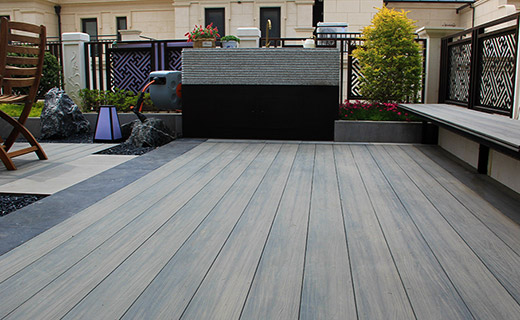
The appeal of composite decks lies in their ability to replicate the natural look of wood while eliminating many of the common drawbacks associated with traditional timber. Homeowners no longer need to worry about splintering, rotting, or frequent maintenance. Instead, they can enjoy a polished and consistent appearance throughout the year. This shift toward low-maintenance outdoor solutions has played a major role in the rising popularity of composite decking materials across residential and commercial projects.
In addition to visual appeal, composite decks align with sustainability goals. Many manufacturers use recycled materials in production, reducing environmental impact and promoting eco-friendly construction practices. This makes composite decks an ideal option for individuals seeking to enhance their homes while remaining conscious of their ecological footprint. As design trends continue to favor sustainable and long-lasting materials, composite decks are positioned as a forward-thinking solution in the world of outdoor design.
Benefits and Long-Term Performance of Composite Decks
One of the most significant advantages of composite decks is their exceptional durability. Unlike traditional wood decks that can warp, crack, or fade over time, composite materials are engineered to withstand harsh environmental conditions. Whether exposed to intense sunlight, heavy rainfall, or fluctuating temperatures, composite decks maintain their structural integrity and visual appeal. This resilience ensures that the deck remains a reliable and attractive feature for many years.
Another key benefit is the minimal maintenance required to keep composite decks in excellent condition. Traditional wood decking often demands regular staining, sealing, or painting to preserve its appearance and prevent damage. In contrast, composite decks require only occasional cleaning to remove dirt and debris. This ease of maintenance not only saves time but also reduces long-term costs associated with upkeep and repairs.
The aesthetic versatility of composite decks is another reason for their growing popularity. Available in a wide range of colors, textures, and finishes, these decks can mimic the look of natural hardwoods such as cedar, oak, or mahogany. This variety allows homeowners to choose styles that complement their architectural design and personal preferences. The consistent coloring and finish also ensure a uniform appearance, which enhances the overall visual appeal of outdoor spaces.
Safety and comfort are additional factors that make composite decks an attractive option. Many composite materials are designed to be slip-resistant, providing better traction in wet conditions. The absence of splinters further enhances safety, especially for families with children or pets. These features contribute to a more enjoyable and worry-free outdoor experience, making composite decks suitable for everyday use.
Design Flexibility and Installation of Composite Decks
composite decks offer remarkable design flexibility, allowing homeowners to create customized outdoor environments that suit their specific needs. Whether designing a small balcony deck or a large multi-level outdoor area, composite materials can be adapted to various layouts and configurations. This versatility makes it possible to incorporate unique features such as built-in seating, planters, and integrated lighting, enhancing both functionality and visual appeal.
The installation process for composite decks has also improved significantly with advancements in technology. Many decking systems now include hidden fasteners and interlocking boards, resulting in a clean and seamless finish. This not only enhances the overall appearance but also reduces the risk of damage caused by exposed screws or nails. Professional installation ensures that the deck is properly constructed, maximizing its lifespan and performance.
Another important aspect of composite deck design is its compatibility with other outdoor elements. It pairs well with materials such as glass railings, metal accents, and stone features, allowing for a cohesive and modern aesthetic. This adaptability makes composite decks suitable for a wide range of architectural styles, from contemporary homes to more traditional settings.
Cost considerations often play a role in the decision-making process, and while composite decks may have a higher initial investment compared to wood, they offer significant long-term value. The reduced need for maintenance, repairs, and replacements translates into cost savings over time. This makes composite decks a smart financial choice for homeowners who prioritize durability and convenience.
Conclusion
Composite decks have emerged as a leading choice for creating stylish, durable, and low-maintenance outdoor spaces. Their ability to combine the natural beauty of wood with the strength of engineered materials makes them an ideal solution for modern living. With benefits such as long-lasting performance, minimal upkeep, design flexibility, and environmental sustainability, composite decks offer exceptional value for homeowners and designers alike. As outdoor living continues to gain importance, investing in composite decks ensures a space that remains functional, attractive, and resilient for years to come.


Comments
Post a Comment