Is a Martindale Tester the Key to Reliable Fabric Durability Testing?
A martindale tester is a specialized laboratory instrument widely used in the textile industry to evaluate the durability and abrasion resistance of fabrics. This testing device plays a crucial role in determining how well a material can withstand wear and friction over time. From upholstery fabrics and clothing materials to carpets and technical textiles, the martindale tester provides valuable data that manufacturers, designers, and quality control professionals rely on.
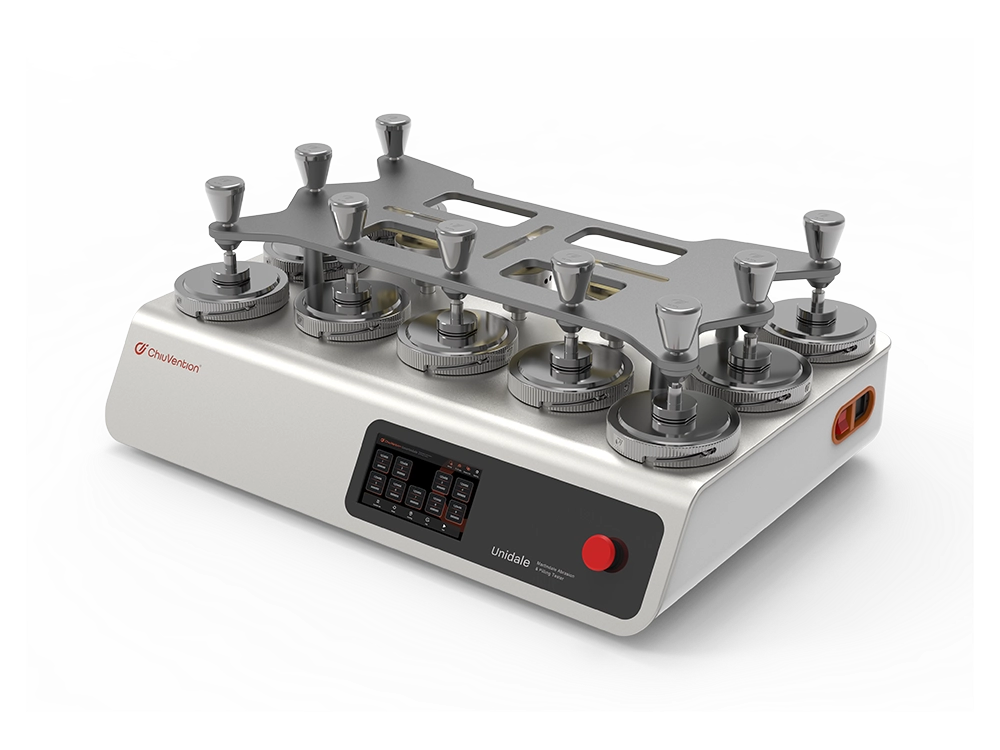
The concept behind the martindale abrasion test is relatively straightforward but highly effective. A fabric sample is subjected to repeated rubbing against a standard abrasive surface under controlled pressure. This motion mimics real-life wear conditions, allowing experts to measure how many cycles the material can endure before showing visible signs of damage. The result is typically expressed in rubs or cycles, which directly indicates the fabric’s durability level.
In modern textile testing laboratories, the martindale tester has become a standard piece of equipment due to its accuracy and consistency. It is commonly used in compliance with international testing standards such as ISO and ASTM, ensuring that results are reliable and comparable across different markets. The importance of this machine extends beyond simple testing, as it also helps manufacturers improve product quality and meet consumer expectations.
Working Principles and Testing Process
The martindale tester operates using a unique multi-directional rubbing motion that closely replicates natural wear patterns. Unlike linear abrasion tests, the martindale method uses a Lissajous figure movement, which ensures that the fabric experiences friction from multiple angles. This makes the test more realistic and comprehensive, providing a better understanding of how a textile will perform in everyday use.
During the testing process, a circular fabric specimen is mounted on a holder and pressed against an abrasive material, often a standard wool or sandpaper surface. The machine then moves the sample in a controlled pattern while applying a specific pressure. As the test progresses, technicians periodically check the fabric for signs of wear such as pilling, thinning, or breakage.
The number of cycles completed before noticeable damage occurs is recorded as the martindale rating. For example, a fabric used in heavy-duty upholstery may need to withstand tens of thousands of cycles, while lighter materials for clothing may require fewer. This data helps manufacturers classify fabrics based on their intended use, ensuring that products meet durability requirements.
In addition to abrasion resistance, the martindale tester can also be used for pilling tests. Pilling refers to the formation of small fiber balls on the fabric surface, which can affect both appearance and comfort. By simulating repeated friction, the tester helps identify materials prone to pilling, enabling manufacturers to make necessary improvements.
Applications in Textile and Manufacturing Industries
The martindale tester is an essential tool across various sectors within the textile and manufacturing industries. In furniture production, it is used to evaluate upholstery fabrics to ensure they can withstand daily use without excessive wear. High martindale ratings are particularly important for commercial environments such as hotels, offices, and public spaces where fabrics experience constant friction.
In the fashion industry, the martindale abrasion test helps designers select suitable materials for garments. Clothing items such as jeans, jackets, and uniforms require a certain level of durability to maintain their quality over time. By using a martindale tester, manufacturers can ensure that their products meet both aesthetic and functional standards.
Automotive and aviation industries also rely on martindale testing to assess the durability of seat fabrics and interior materials. These environments demand high-performance textiles that can endure prolonged use while maintaining comfort and appearance. The martindale tester provides the data needed to make informed decisions about material selection.
Technical textiles, including protective clothing and industrial fabrics, benefit greatly from martindale testing as well. These materials often need to withstand extreme conditions, and their performance can directly impact safety. By evaluating abrasion resistance and pilling behavior, the martindale tester helps ensure that these textiles meet stringent quality requirements.
Benefits and Importance of Accurate Fabric Testing
The use of a martindale tester offers numerous advantages for manufacturers and quality control professionals. One of the most significant benefits is the ability to predict the lifespan of a fabric. By understanding how a material behaves under repeated stress, companies can design products that meet specific durability standards and customer expectations.
Another key advantage is consistency. The martindale tester provides standardized testing conditions, ensuring that results are reliable and repeatable. This is particularly important for global trade, where products must comply with international quality standards. Consistent testing also helps build trust with consumers, as they can rely on the durability claims made by manufacturers.
Cost efficiency is another important factor. By identifying potential weaknesses in fabrics during the testing phase, manufacturers can make improvements before mass production. This reduces the risk of product failures, returns, and customer dissatisfaction. In the long run, investing in accurate testing with a martindale tester can lead to significant savings.
The tester also supports innovation in textile development. By analyzing test results, researchers can experiment with new fibers, blends, and finishing techniques to enhance durability and performance. This continuous improvement drives advancements in the textile industry, leading to better products for consumers.
Conclusion
The martindale tester stands as a vital instrument in the world of textile testing, offering precise and reliable insights into fabric durability and performance. Its ability to simulate real-life wear conditions makes it an indispensable tool for manufacturers, designers, and quality control experts. From upholstery and fashion to automotive and technical textiles, the martindale tester ensures that materials meet the highest standards of quality and resilience.
By providing accurate data on abrasion resistance and pilling behavior, this testing method helps businesses create products that are both durable and customer-friendly. As the demand for high-quality textiles continues to grow, the importance of the martindale tester will only increase, solidifying its role as a cornerstone of modern fabric testing and quality assurance.
Website: https://chiuvention.com/


Comments
Post a Comment