Is an Induction Hob with Integrated Extractor the Ultimate Kitchen Upgrade?
The modern kitchen continues to evolve with innovative appliances that combine efficiency, aesthetics, and functionality. One such advancement is the induction hob with integrated extractor, a smart solution designed to eliminate the need for a traditional overhead hood while enhancing cooking performance. This all-in-one appliance integrates a powerful ventilation system directly into the cooktop, making it a popular choice for contemporary homes, especially those with open-plan layouts.
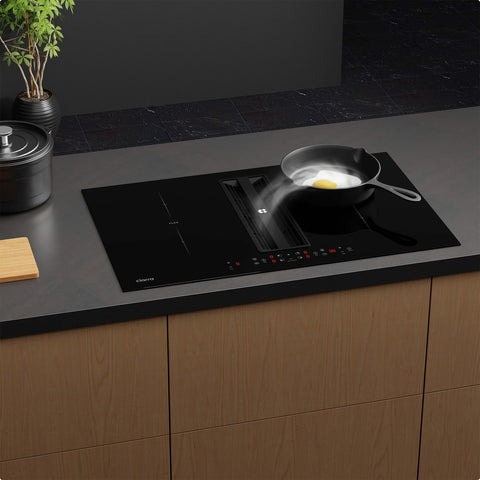
As homeowners increasingly prioritize minimalistic design and space optimization, this combination appliance stands out as both practical and visually appealing. With advanced technology, energy efficiency, and sleek design, it is quickly becoming a preferred option among kitchen designers and homeowners alike.
Features and Performance of Induction Hob with Integrated Extractor
An induction hob with integrated extractor works by using electromagnetic technology to heat cookware directly while simultaneously extracting cooking fumes, steam, and odors from the source. This dual functionality makes it highly efficient compared to traditional gas or electric cooktops paired with separate extractor hoods.
The induction cooking surface ensures rapid heating, precise temperature control, and improved energy efficiency. Since heat is generated directly in the pan, less energy is wasted, and cooking becomes faster and safer. The integrated extractor, usually positioned centrally or along the sides, captures airborne grease and odors immediately, preventing them from spreading throughout the kitchen.
Modern models often include features such as touch controls, automatic pan detection, bridge zones for larger cookware, and multiple extraction speeds. Some high-end variants even come with smart sensors that adjust the extraction power based on cooking intensity. This seamless integration of cooking and ventilation not only enhances performance but also simplifies kitchen design by reducing the need for bulky overhead units.
Benefits of Choosing Induction Hob with Integrated Extractor
The growing demand for induction hobs with built-in extractors is driven by several key advantages that appeal to both homeowners and professional chefs. One of the most notable benefits is space-saving design. Without the need for a separate cooker hood, kitchens can maintain a cleaner and more open appearance, which is especially valuable in smaller spaces or kitchen islands.
Another major advantage is improved air quality. Since the extractor is located directly at the cooking surface, it captures smoke, steam, and odors more effectively than traditional overhead systems. This leads to a more comfortable cooking environment and reduces the risk of lingering smells in the home.
Energy efficiency is another important factor. Induction cooking is known for its low energy consumption compared to gas or electric alternatives. When combined with an efficient extraction system, the overall appliance becomes an eco-friendly option that can help reduce energy bills over time.
Ease of cleaning also contributes to its popularity. The flat glass surface of the induction hob is simple to wipe down, and many models feature removable and dishwasher-safe filters in the extractor system. This makes maintenance straightforward and less time-consuming.
In addition, safety features such as child locks, residual heat indicators, and automatic shut-off provide peace of mind, particularly in households with children. These features make the induction hob with integrated extractor not only convenient but also a safe choice for modern kitchens.
Design Considerations and Installation Factors
While the benefits are significant, there are important considerations to keep in mind when selecting an induction hob with integrated extractor. Installation requirements can vary depending on whether the system is ducted or recirculating. A ducted system requires proper ventilation through external walls, while a recirculating system filters and recycles air back into the kitchen.
Cabinet space beneath the hob is another factor to consider, as the integrated extractor unit occupies some storage area. Proper planning during kitchen design or renovation is essential to ensure optimal functionality and aesthetics.
Noise levels can also vary between models. Although many modern units are designed to operate quietly, the extractor fan may still produce noticeable sound at higher speeds. Choosing a high-quality model with noise-reduction technology can help minimize this issue.
Cost is another aspect that may influence decision-making. Induction hobs with integrated extractors tend to be more expensive than standard cooktops or extractor hoods. However, the long-term benefits, including energy savings, improved air quality, and enhanced kitchen design, often justify the investment.
When selecting a model, it is also important to consider brand reputation, warranty, and after-sales support. Reliable manufacturers typically offer better durability and performance, ensuring that the appliance remains a valuable addition to the kitchen for years to come.
Conclusion
An induction hob with integrated extractor represents a significant step forward in kitchen technology, combining cooking efficiency with advanced ventilation in a single, stylish unit. Its ability to save space, improve air quality, and enhance overall kitchen aesthetics makes it an attractive option for modern homes.
Although it may require a higher initial investment and careful planning during installation, the long-term advantages in performance, energy efficiency, and convenience make it a worthwhile choice. For those seeking a sleek, functional, and future-ready kitchen solution, this innovative appliance offers an excellent balance of design and practicality.


Comments
Post a Comment