Is Best Composite Decking Material the Smartest Investment for Modern Outdoor Spaces?
The best composite decking material is widely recognized as a modern engineered solution designed to replace traditional wood decking while offering superior durability, aesthetics, and long-term performance. It is typically manufactured from a carefully balanced mixture of recycled wood fibers, high-density polyethylene, and binding additives, forming what is commonly known as wood plastic composite (WPC). This innovative construction allows the material to deliver the natural appearance of timber while eliminating many of its weaknesses.
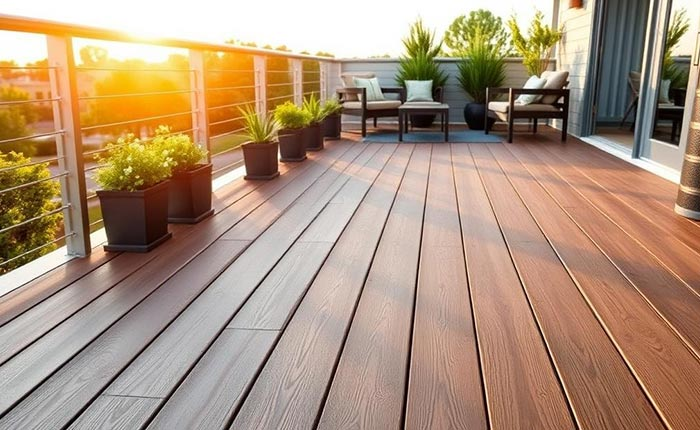
In contemporary outdoor design, the best composite decking material has gained significant popularity because it offers a stable and low-maintenance alternative to natural wood. Traditional timber decking, although visually appealing, is prone to issues such as rotting, splintering, insect infestation, and fading caused by prolonged exposure to sunlight and moisture. Composite decking materials are engineered specifically to overcome these limitations, making them a more reliable option for long-term outdoor use.
Another defining feature of the best composite decking material is its design versatility. Manufacturers now offer a wide range of colors, textures, and surface finishes that closely replicate natural hardwood grains while also providing modern, sleek aesthetics. This allows homeowners and designers to match decking with various architectural styles, whether it is a rustic garden environment or a contemporary outdoor living space.
How Does the Best Composite Decking Material Improve Strength and Longevity?
One of the most important advantages of the best composite decking material is its exceptional durability. Unlike natural wood, which can expand, contract, or crack due to environmental changes, composite decking maintains its structural stability over time. The combination of wood fibers and plastic polymers creates a dense material that resists deformation, ensuring a long-lasting and consistent outdoor surface.
Weather resistance is another key performance factor that sets the best composite decking material apart. Outdoor flooring is constantly exposed to harsh conditions such as heavy rain, extreme heat, frost, and humidity. Composite decking materials are designed to withstand these elements without absorbing excessive moisture. This prevents common issues like rot, warping, and structural weakening, which are often seen in traditional timber decks.
The best composite decking material also performs exceptionally well in terms of UV resistance. Prolonged exposure to sunlight can cause natural wood to fade and lose its original color, often requiring regular staining or refinishing. In contrast, composite decking is manufactured with UV-stabilized technology that helps preserve its color integrity over time, ensuring a consistent and attractive appearance even after years of outdoor exposure.
Pest and biological resistance further enhances the durability of composite decking materials. Termites, wood borers, and fungal growth can severely damage traditional wood structures, but composite materials are not susceptible to these issues. Since they do not contain pure organic wood in its natural form, they are far less likely to attract insects or develop mold, making them a more hygienic and long-lasting option.
Another important benefit of the best composite decking material is its low maintenance requirement. Unlike wooden decks that require frequent sanding, sealing, and painting, composite decking only needs occasional cleaning with water and mild soap. This significantly reduces maintenance time, effort, and long-term costs, making it an ideal choice for homeowners seeking convenience and durability.
Where Is the Best Composite Decking Material Commonly Used?
The best composite decking material is widely used across residential, commercial, and architectural outdoor projects due to its versatility and long-term performance benefits. In residential environments, it is commonly installed in backyard patios, garden decks, rooftop terraces, and outdoor entertainment areas. These spaces benefit greatly from the combination of durability and aesthetic appeal that composite decking provides.
In backyard applications, the best composite decking material is often used to create functional outdoor living spaces such as dining areas, lounge decks, and barbecue platforms. Homeowners prefer it because it creates a smooth, comfortable surface that enhances the usability of outdoor spaces while maintaining a stylish and modern appearance. Its ability to resist weather damage ensures that these areas remain attractive throughout the year with minimal upkeep.
Commercial properties also rely heavily on the best composite decking material for outdoor installations. Hotels, resorts, restaurants, and public recreational spaces use composite decking to create durable and visually appealing environments that can withstand heavy foot traffic. Its long-lasting performance and low maintenance requirements make it a cost-effective solution for businesses that prioritize both aesthetics and functionality.
Poolside areas are another major application for composite decking materials. The best composite decking material is particularly suitable for wet environments due to its slip-resistant surface and moisture resistance. Unlike traditional wood, which can become slippery and deteriorate when exposed to water, composite decking maintains its safety and structural integrity, making it ideal for swimming pool decks and spa areas.
Urban architectural designs also incorporate composite decking in rooftop gardens, balconies, and terrace extensions. These elevated outdoor spaces require lightweight yet strong materials that do not overload building structures. Composite decking provides a perfect solution by offering durability, modern aesthetics, and ease of installation, making it a popular choice in city-based developments.
Is the Best Composite Decking Material a Cost-Effective and Sustainable Choice?
The best composite decking material is not only valued for its performance but also for its long-term cost efficiency. While the initial installation cost may be higher than traditional wood decking, the reduced maintenance requirements and extended lifespan make it a more economical option over time. Homeowners and businesses save significantly on repairs, refinishing, and replacement costs.
From an environmental perspective, the best composite decking material is considered an eco-friendly building solution. Many manufacturers utilize recycled plastics and reclaimed wood fibers in production, reducing waste and minimizing the need for virgin timber. This contributes to sustainable construction practices and supports efforts to reduce deforestation and environmental impact.
The extended lifespan of composite decking materials also enhances their sustainability. Because they do not require frequent replacement, they help reduce material consumption and long-term waste generation. This aligns with modern green building standards that focus on durability, efficiency, and environmental responsibility.
Conclusion: Why the Best Composite Decking Material Leads Modern Outdoor Design
The best composite decking material has established itself as a leading solution in modern outdoor construction due to its unmatched combination of durability, aesthetics, and sustainability. It successfully addresses the limitations of traditional wood decking while offering a more stable, low-maintenance, and visually appealing alternative.
Its resistance to weather conditions, pests, and fading ensures long-term performance in a variety of environments, from residential gardens to commercial outdoor spaces. When combined with its eco-friendly production methods and cost-saving benefits, it becomes clear why composite decking continues to grow in popularity.


Comments
Post a Comment